Lampedusa.
Sea, memory
and discovery.
A community page about the island, its open waters, marine caves, wildlife, fishing traditions, food and the memories of people who have known it over many decades.
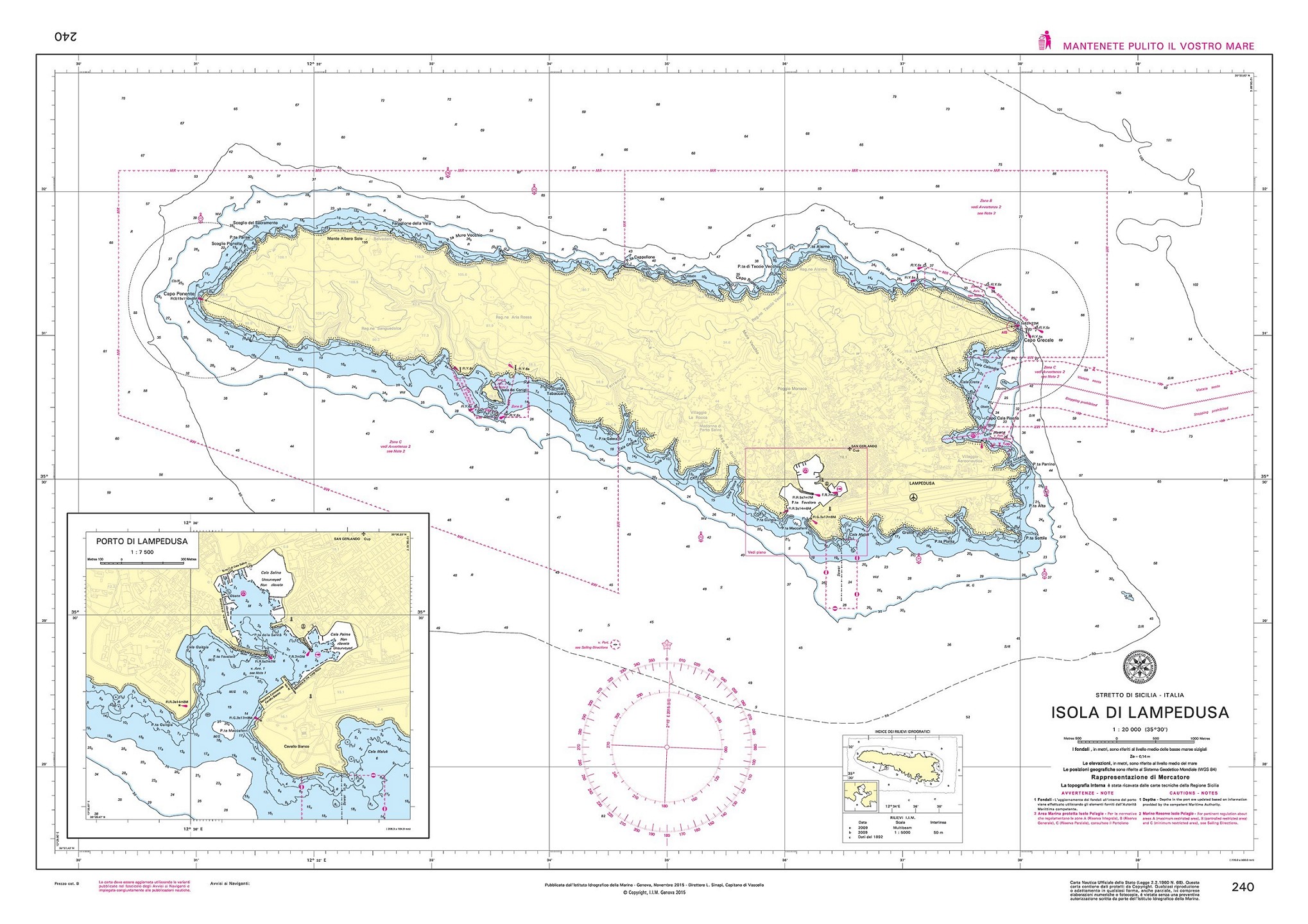
A map for following the stories
The map helps visitors recognise the principal coastal areas mentioned throughout the page. It does not reveal offshore fishing grounds or private locations.
A meeting point between Europe and Africa
Lampedusa belongs politically to Italy, while its geological setting rises from the African continental platform. Its coastline combines high cliffs, coves, beaches, natural arches and a remarkable system of marine caves.
Central Mediterranean
Lampedusa lies in the Sicily Channel and forms part of the Pelagie Islands together with Linosa and Lampione.
Limestone landscape
The island is formed mainly by limestone and calcarenite layers that create cliffs, shelves, coves and sea caves.
Shared memory
Visitors, fishermen, divers, residents and families can contribute photographs, observations, recipes and memories.
A coastline shaped from above and below the sea
Research presented in 2007 documented a far richer marine-cave system than had previously been recognised.
Marine caves of Lampedusa
Speleological surveys carried out from 2001 onward identified a large number of submerged and semi-submerged cavities around the island.
The caves are generally not very long, but they are environmentally important. Some provide dim or dark habitats, shelter juvenile fish and create distinctive underwater light effects.
This section can later include photographs and community memories connected with Cala Calandra, Mare Morto, Cala Pisana, Cala Francese, Punta Guitgia and other coastal areas.
Open water, seasonal passage and resident groups
This section records long-term observations shared by fishermen, sailors, divers and frequent visitors. They are presented as community knowledge unless supported by a cited scientific source.
Cetacean passage
Long-term local observations describe an annual cetacean passage between February and April, continuing north-west through the Mediterranean towards the wider Pelagos Sanctuary region.
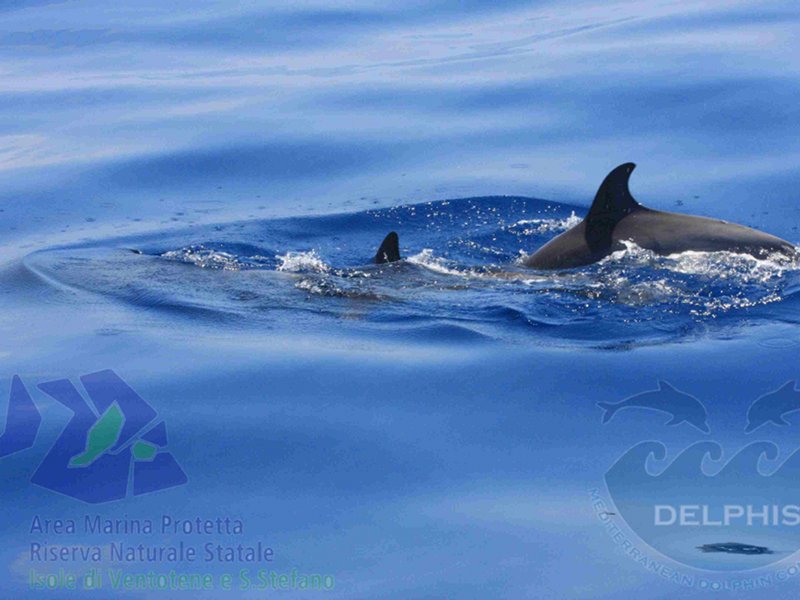
Dolphins
Long-time observers recognise dolphin groups that repeatedly use different coastal sectors, including the western side and the eastern area from Cala Creta towards Punta Sottile and the Grottacce.
Sharks
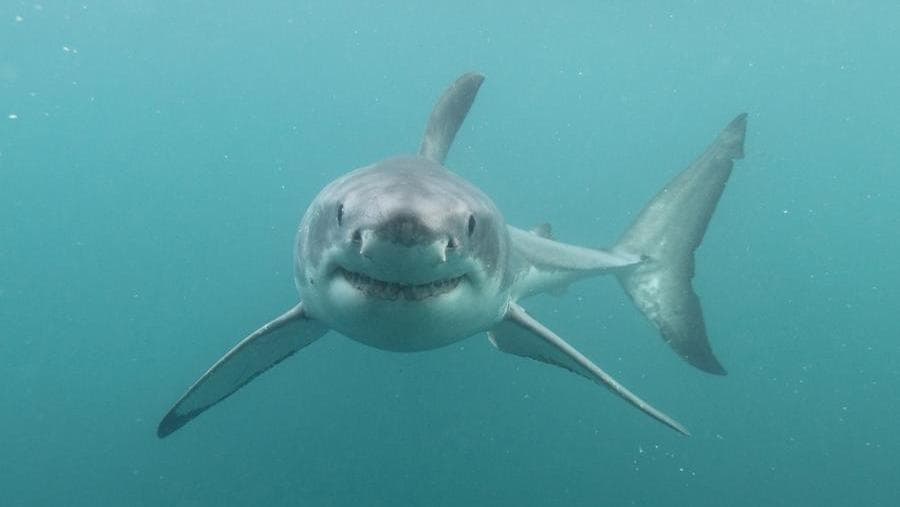
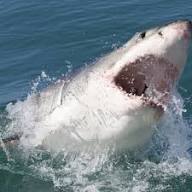
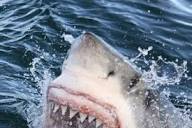
Blue sharks, shortfin makos and other sharks may be encountered offshore throughout the year, depending on sea conditions and prey.
Sea turtles
Large loggerhead turtles, Caretta caretta, are among the most recognisable animals associated with Lampedusa and its beaches.
Swordfish
Swordfish fishing is traditionally associated with the period from April to September.
Bluefin tuna
Atlantic bluefin tuna move through these waters as part of the wider seasonal life of the Mediterranean.
Ocean sunfish
Ocean sunfish may appear in open water and are among the most surprising pelagic encounters.
Rare encounters
Whale sharks and humpback whales are exceptional observations and should always be described as rare.
Far offshore, without revealing the grounds
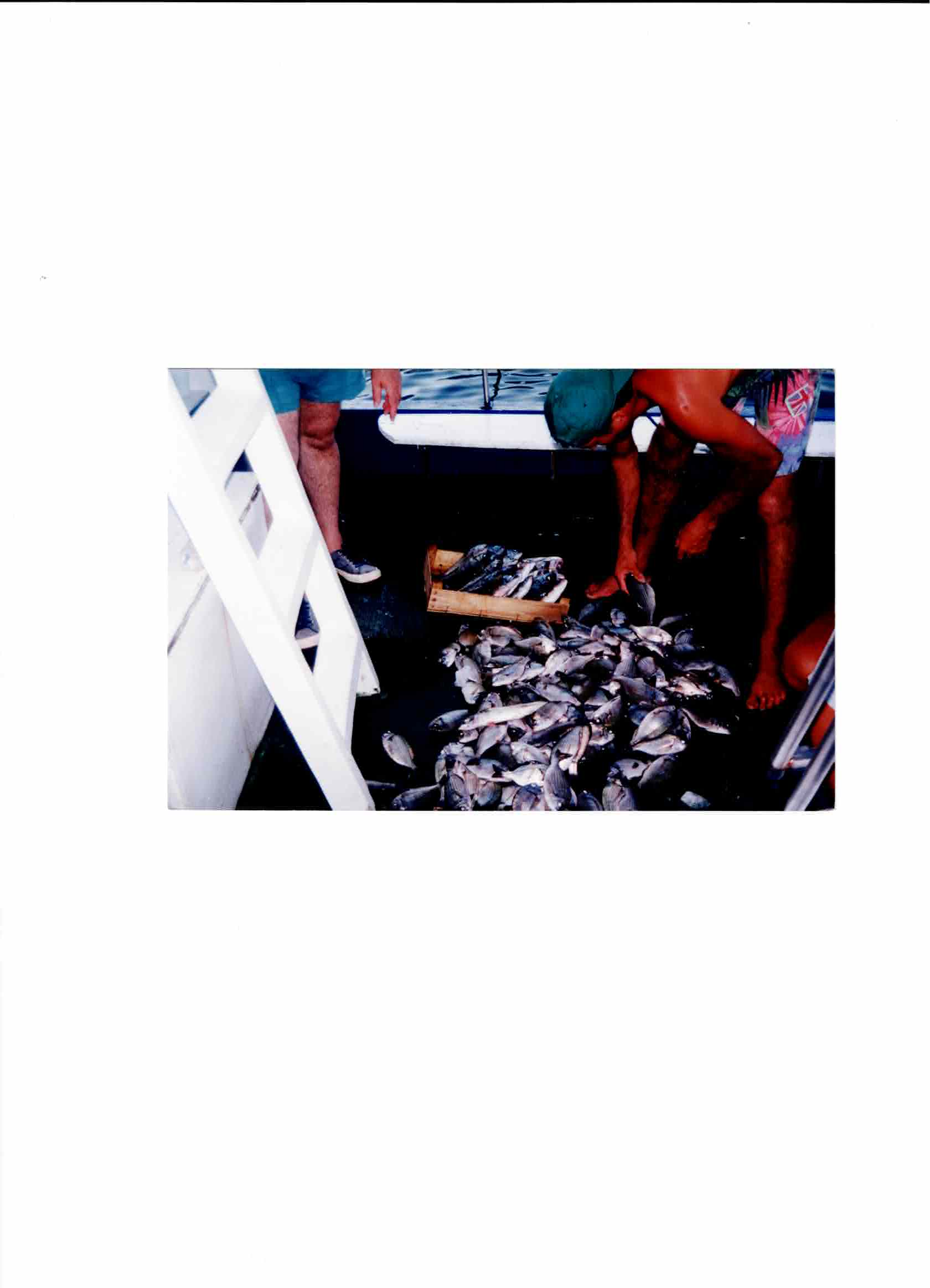
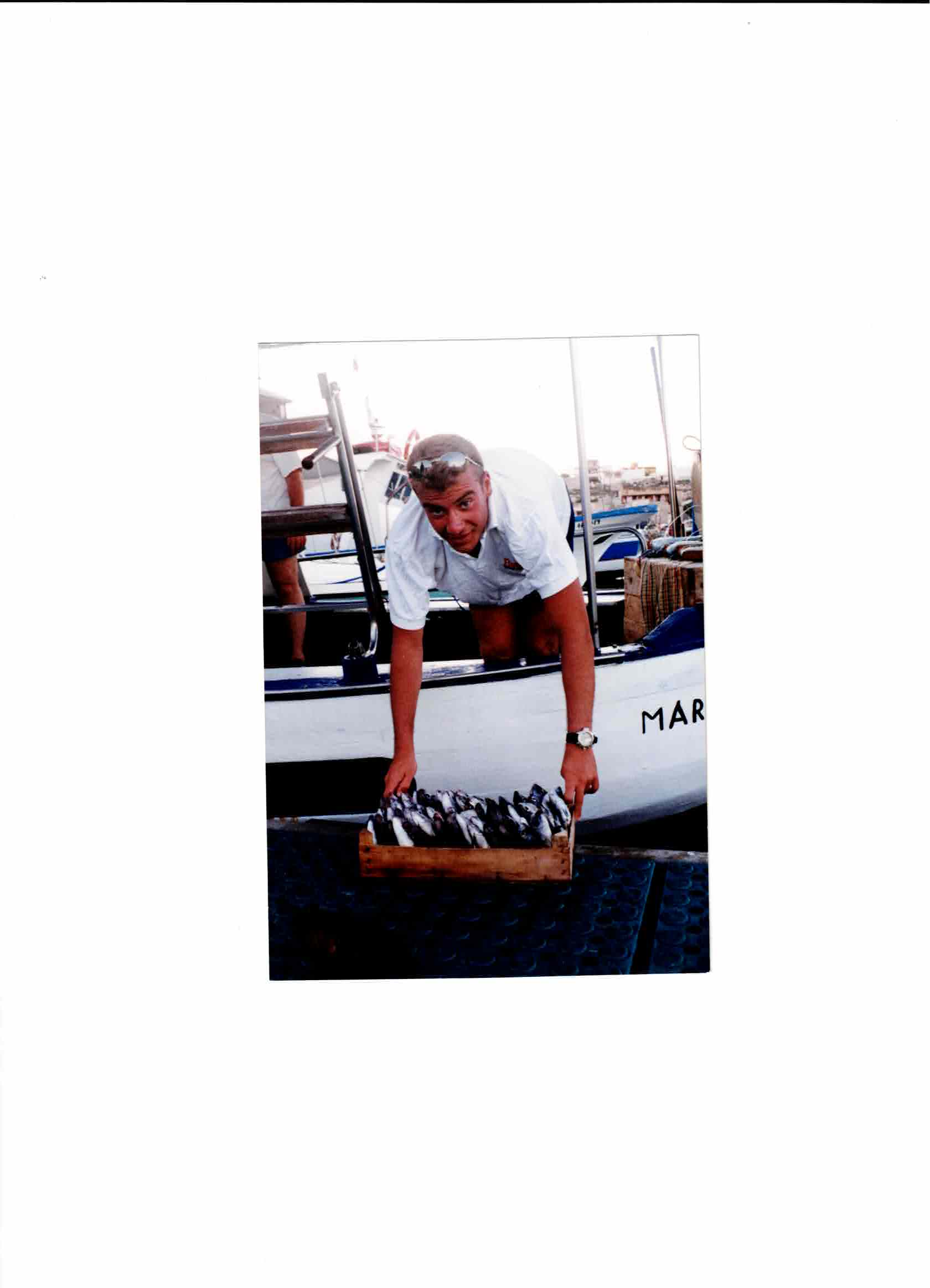
Many historic photographs show fish caught on offshore shoals far from Lampedusa, after several hours at sea and almost an hour of navigation back to the harbour.
The photographs span approximately 1980–2019. Exact dates are often unknown, and the precise fishing grounds remain undisclosed out of respect for the traditions of Lampedusa fishermen.
Images and the stories behind them
Historic photographs from several decades of visits to Lampedusa and its surrounding waters. Each image is accompanied by the memory connected with it, while exact dates are left open when they are not known.
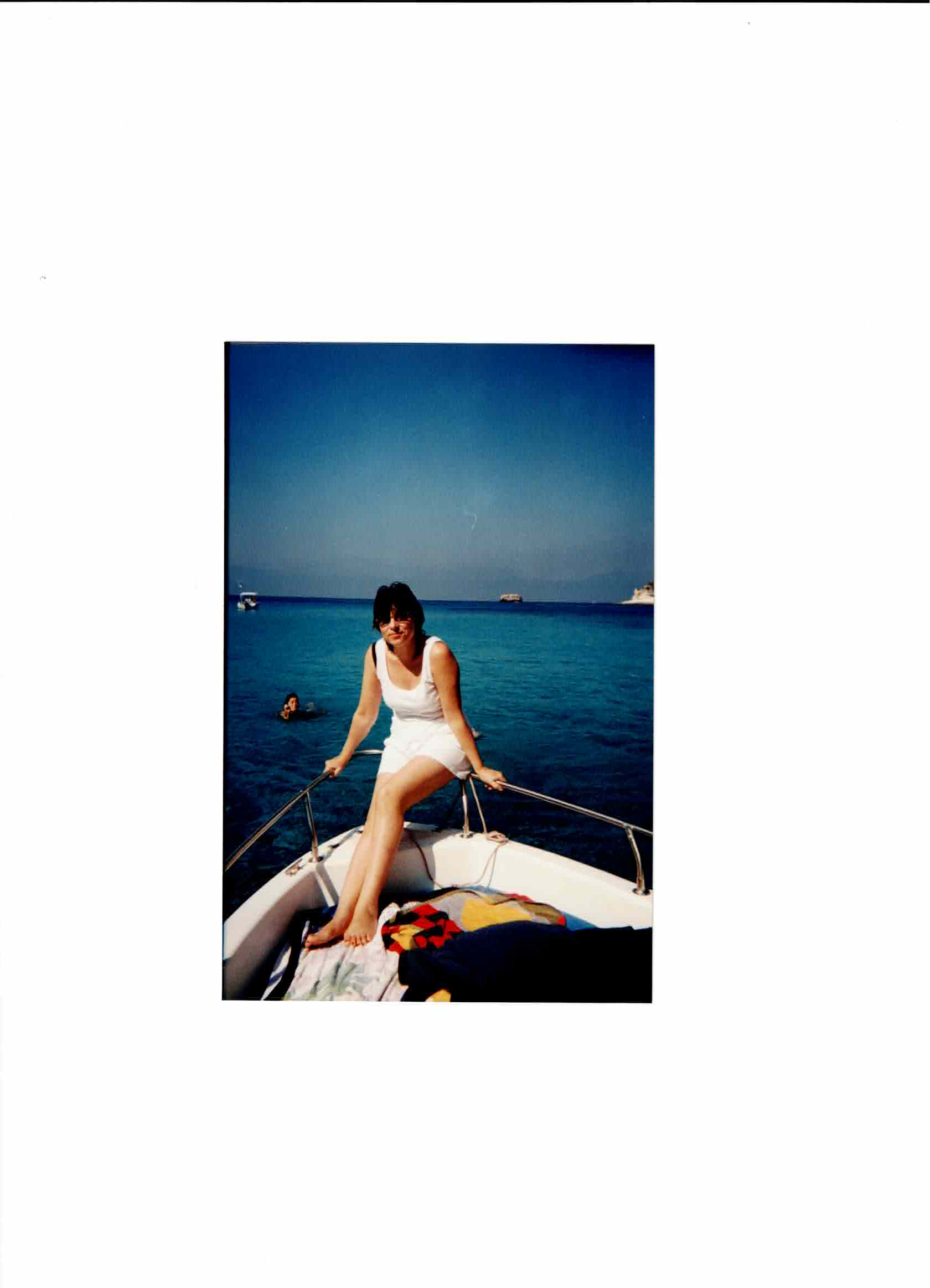
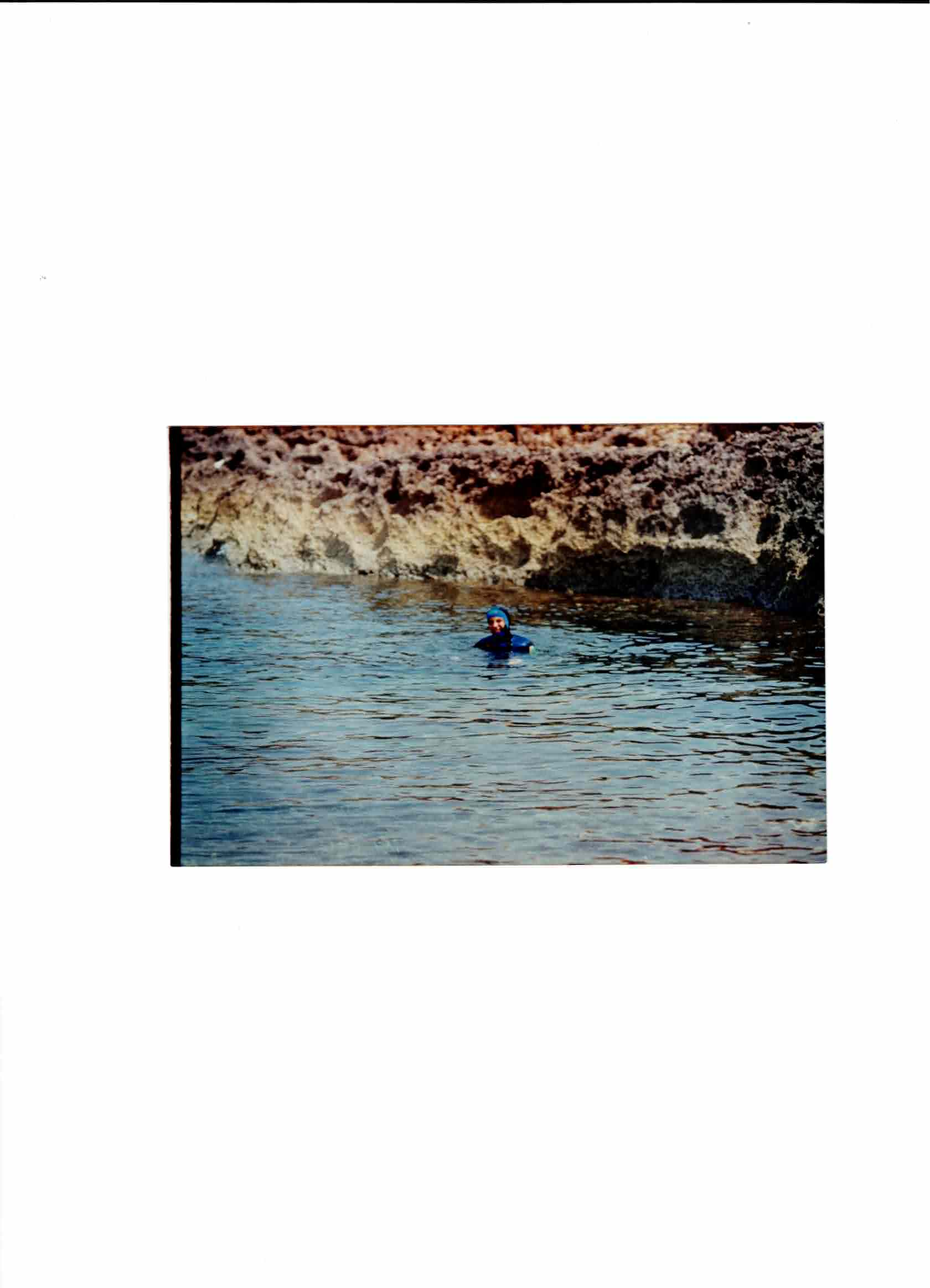
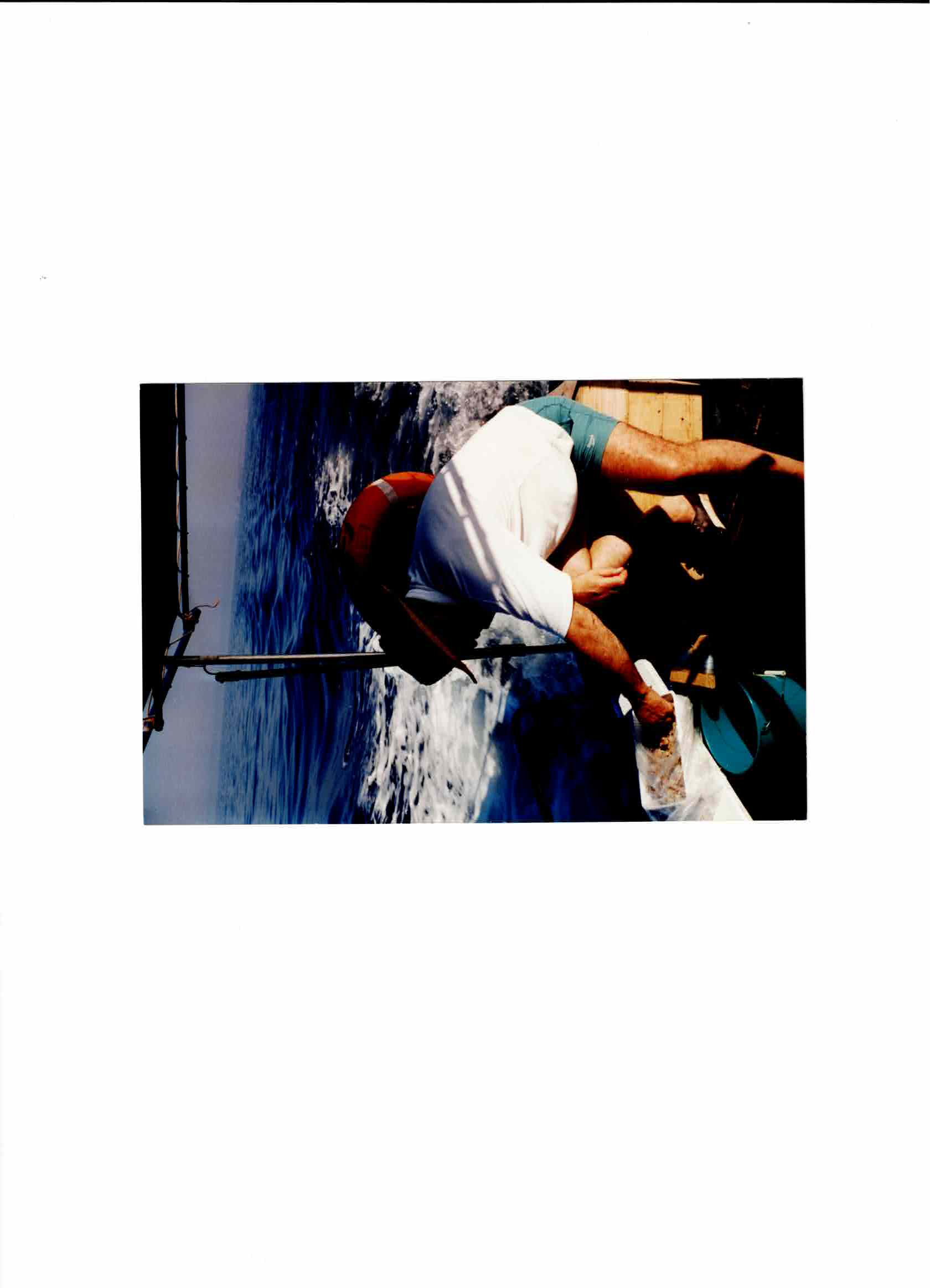
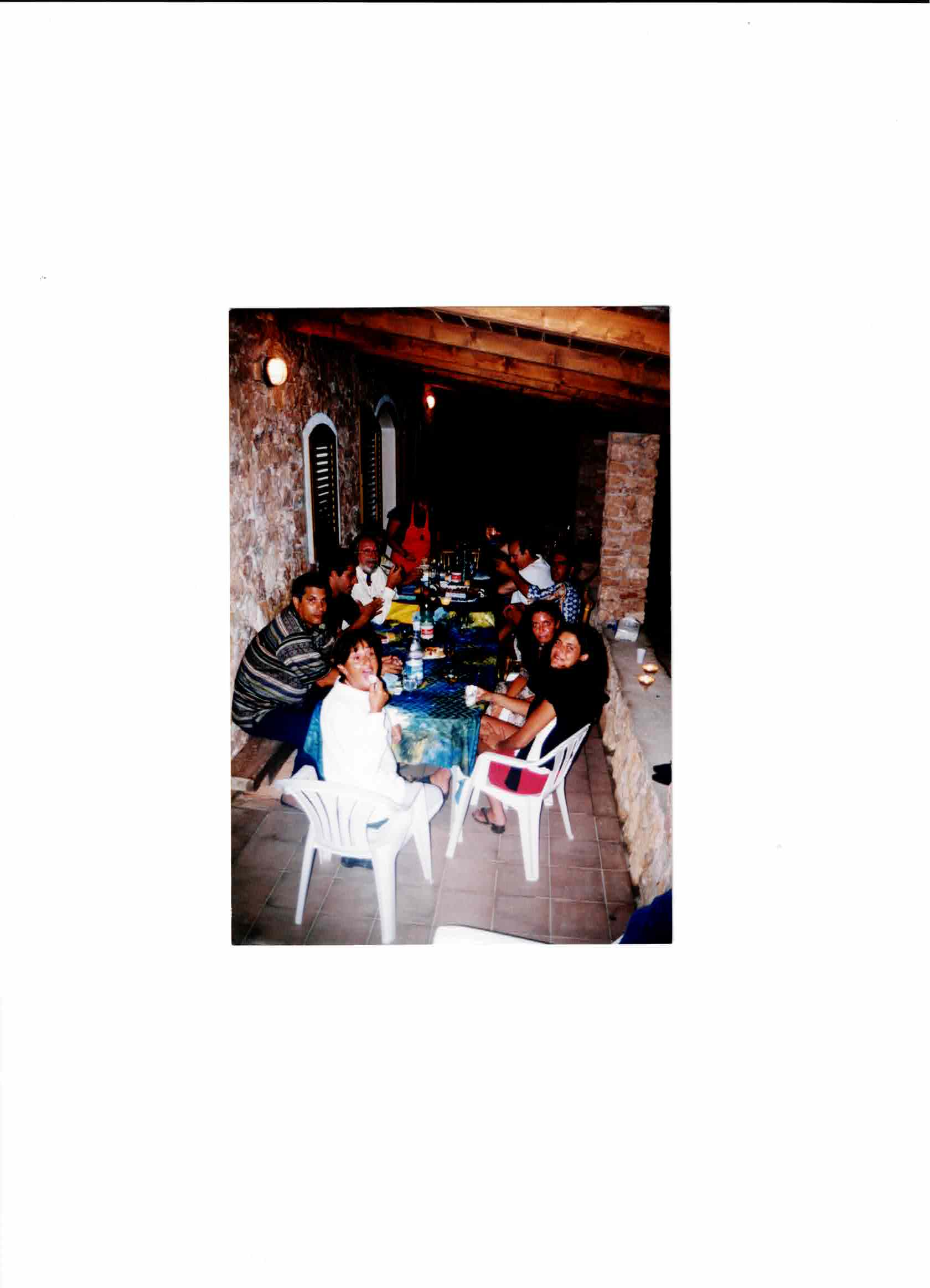
Fishing, friendship and underwater encounters
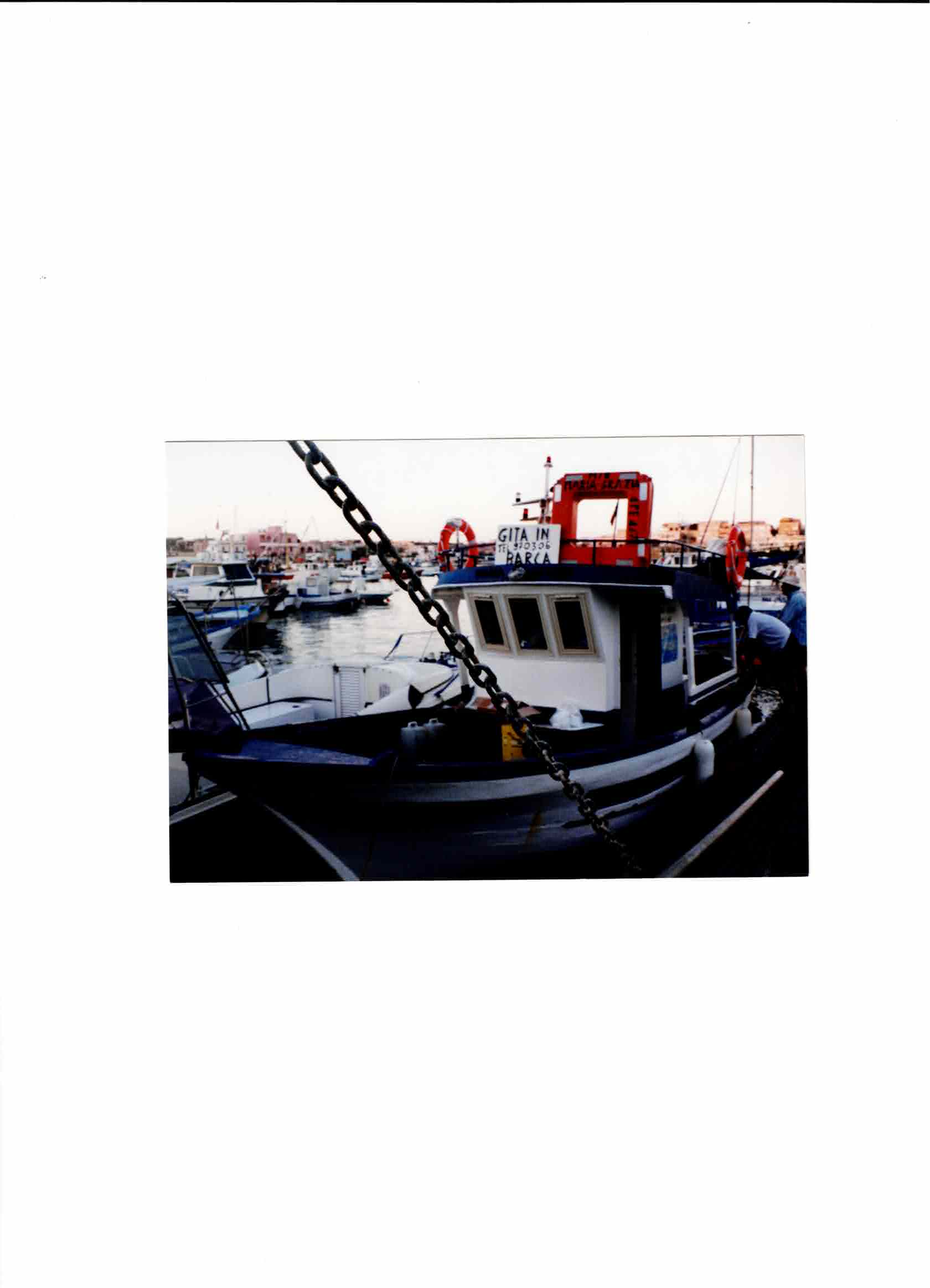
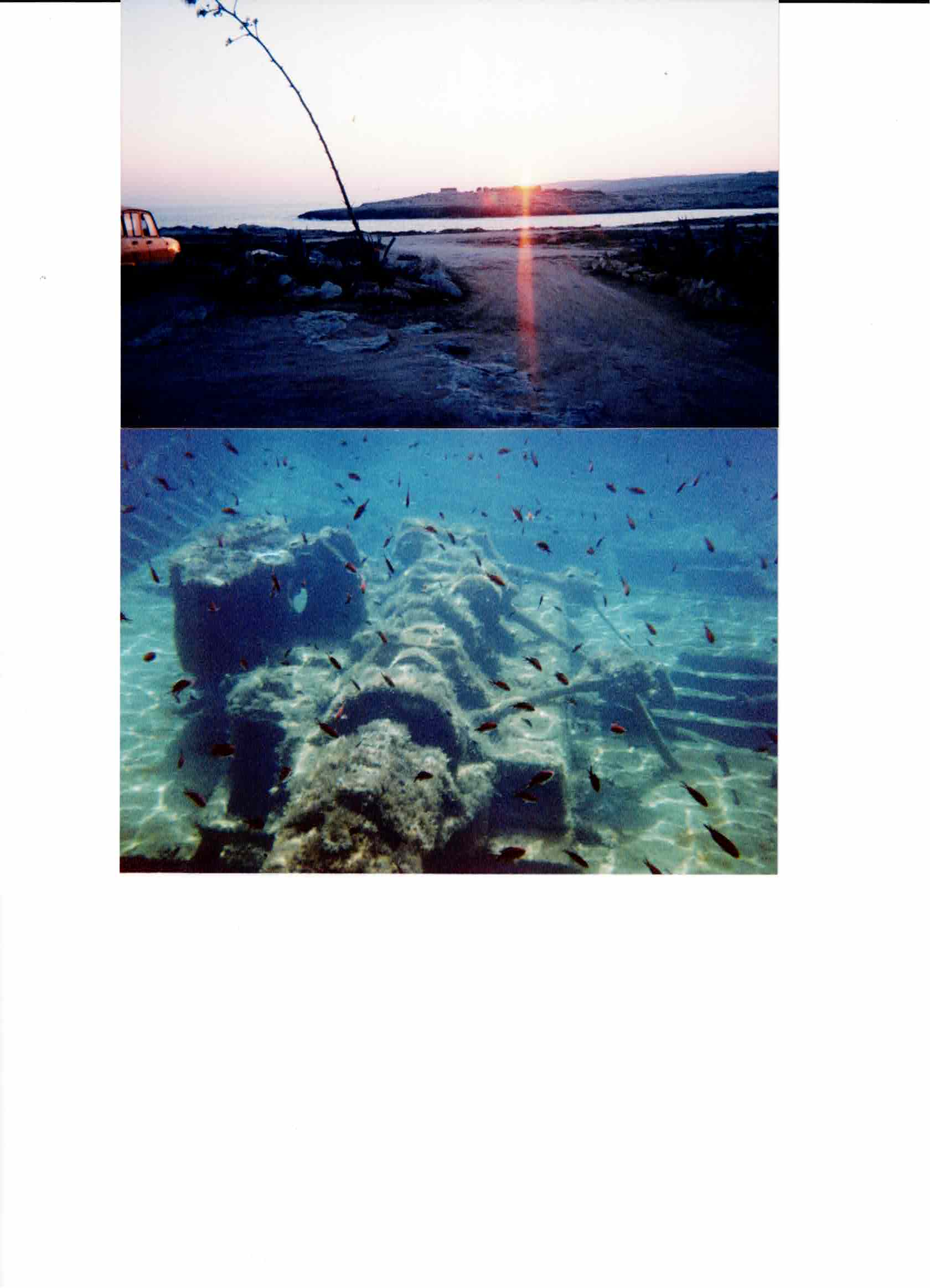
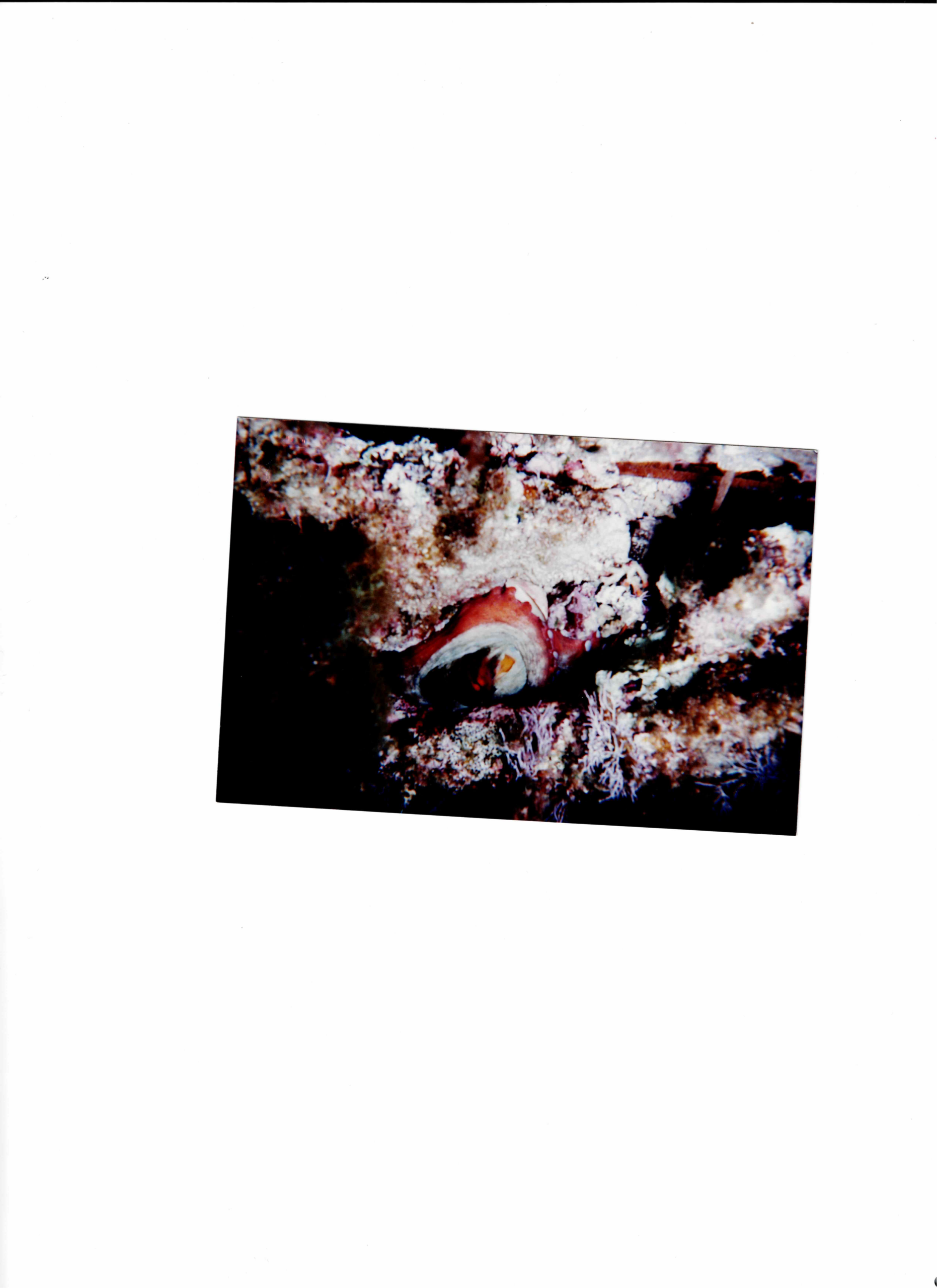
These photographs preserve personal moments connected with the sea: the return from the offshore shoals, work at the harbour, shared meals and encounters beneath the surface.
The catch becomes a shared table
Recipes remain connected with the sea, the place and the people who prepared them.
Red Prawn Pasta
A simple preparation using olive oil, garlic, parsley and the juices from the prawn heads.
Connect this recipe later →Grilled Sardines & Mackerel
Charcoal, intact scales and salmoriglio prepared in advance.
Connect this recipe later →Grilled Dentex & Sea Bream
The skin and scales protect the flesh, then separate cleanly when the fish is cooked.
Connect this recipe later →What is your Lampedusa story?
A photograph, recipe, diving memory, wildlife observation or story from the island can help preserve details that would otherwise disappear.
- An old photograph with an approximate period
- A story about a beach, cove, boat trip or marine cave
- A recipe or regional product
- A wildlife observation
- A memory of how the island changed over time
- A respectful story without private names or exact fishing locations
Continue exploring
Lampedusa remains connected with the wider Mediterranean archive and the other areas of Stadia World.
Return to the main island journey.
Mediterranean Islands →Recipes, products and memories from the table.
Food & Stories →Share a photograph, memory or question.
Join the Community →Return to the main entrance of the site.
Back to Stadia World →